Daily Vitamins and Supplements in Kabul: What Your Climate and Lifestyle Actually Demand
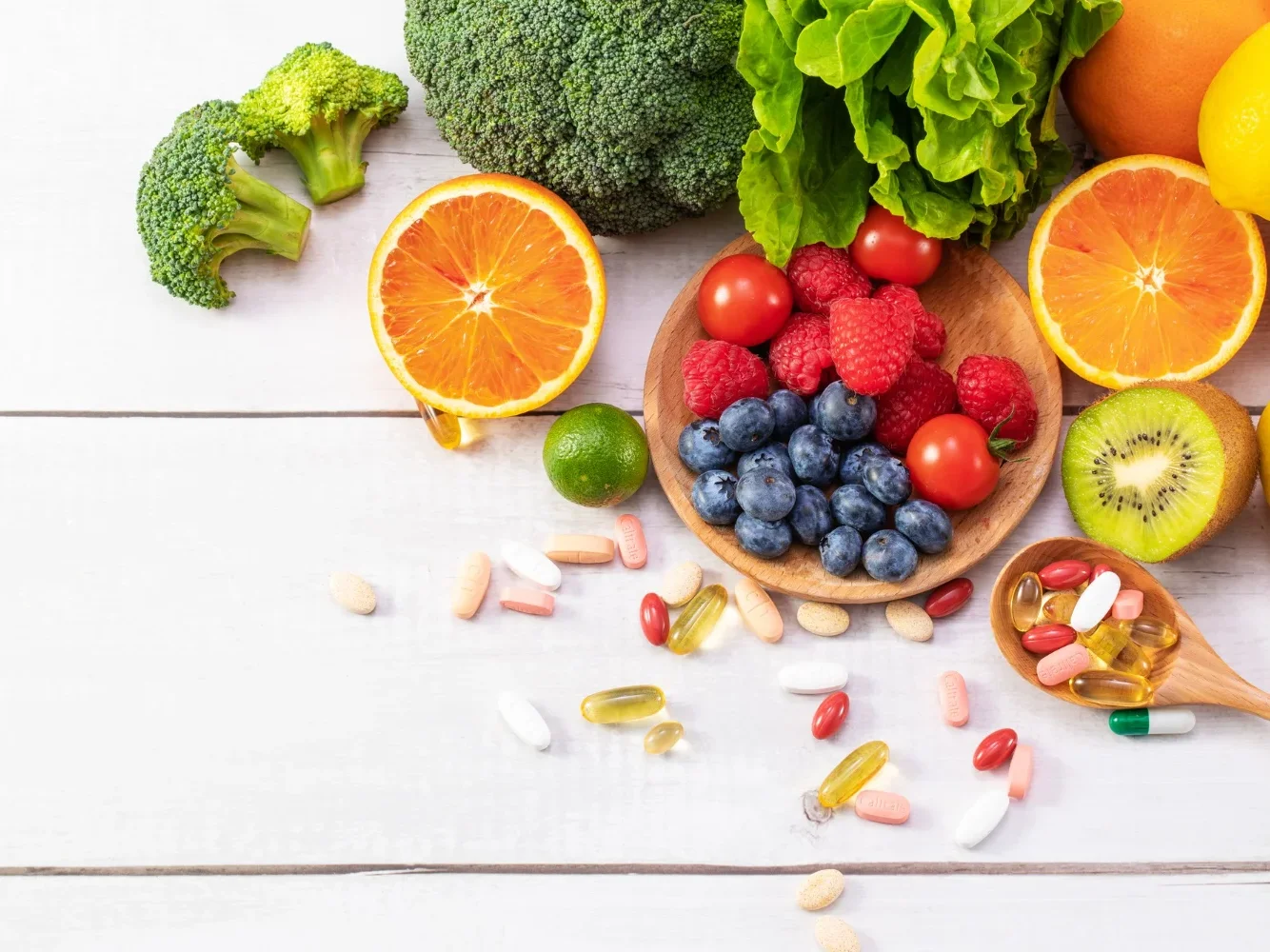
Kabul sits at over 1,800 meters above sea level, with roughly 300 days of sunshine a year, cold, dry winters, and hot, dry summers. On paper, that sounds like an environment where sunlight-driven nutrients like vitamin D should take care of themselves. The research on Kabul residents tells a different story — and it's worth understanding why before deciding what belongs in a daily routine.
The Sunshine Paradox: Why Vitamin D Deficiency Is So Common in Kabul
A study of over 4,000 children and adolescents in Kabul found that 62.5% had low vitamin D levels, with more than a third classified as severely deficient. A separate study focused specifically on Afghan adolescents in Kabul found hypovitaminosis D in the large majority of participants, with deficiency more pronounced among girls.
This matters because it runs counter to the common assumption that "sunny climates don't need vitamin D supplements." The Kabul research points to why that assumption breaks down here specifically: the amount of time spent outdoors, the type of clothing worn, skin coverage, and dietary intake of vitamin D-rich foods all turned out to be stronger predictors of deficiency than how much sun was technically available. In other words, Kabul's sunshine is available — but daily life doesn't always translate that sunshine into what the body actually absorbs.
There's a second factor specific to Kabul's geography worth knowing: altitude actually increases the intensity of UVB radiation reaching the skin compared to sea level, since there's less atmosphere to filter it. Research comparing vitamin D synthesis at different elevations found significantly greater potential for vitamin D production at higher altitudes. Kabul's elevation should theoretically work in residents' favor — which makes the high deficiency rates found in local studies even more a matter of clothing, time outdoors, and diet than of geography working against people.
What this means practically for a large share of the population — especially women and children who may spend less time in direct sun due to clothing norms — vitamin D is not an "extra" nutrient. It's one of the more evidence-backed additions to a daily routine in this specific setting, and something worth discussing with a doctor, particularly given that testing (rather than guessing) is the only way to know an individual's actual level.
Anemia and Iron: A Widespread but Under-Discussed Issue
National nutrition data shows anemia affecting roughly 40% of women of reproductive age and nearly 45% of children under five across Afghanistan. A separate study of adolescent girls found comparable numbers. Anemia has many causes, but inadequate iron intake is consistently one of the largest contributors identified in this data.
Iron needs aren't tied to Kabul's climate the way vitamin D is, but the scale of the numbers makes it one of the more relevant nutrients to be aware of locally, particularly for women and adolescent girls.
Vitamin A: Especially Relevant for Children
National survey data found vitamin A deficiency in about half of children aged six months to five years, compared to roughly 11% of women of reproductive age. Vitamin A plays a central role in immune function and vision, and this kind of gap between children and adults in the same population is a signal worth being aware of for anyone making decisions about a household's nutrition, not just an individual's.
## Zinc: A Quieter but Measurable Gap
Zinc deficiency was found in close to a quarter of women and around 15% of children in national data, with researchers pointing to diets low in meat and higher in fiber-rich staples as a likely contributing factor. Zinc plays a role in immune function and wound healing, and its lower profile compared to vitamin D or iron doesn't mean it's less worth paying attention to — it's simply discussed less often.
What About the Winter Months Specifically?
Kabul's winters are genuinely cold, and this is where the general climate science and the local nutrition data point in the same direction. Even in latitudes with strong summer sun, UVB radiation drops sharply in winter, meaning the body's ability to produce its own vitamin D through skin exposure is reduced for several months of the year regardless of how sunny the season otherwise is. Combined with more time spent indoors and in heavier clothing during Kabul's cold season, winter is a reasonable time to pay closer attention to vitamin D intake specifically, alongside general immune-supporting nutrients.
Bringing It Together: A Practical Starting Point
Based on what local and national data actually show, four nutrients stand out as particularly relevant in Kabul's context, in rough order of how strongly the evidence points to them:
- Vitamin D— the clearest, most climate-and-lifestyle-specific case, given how consistently local studies find high deficiency despite ample regional sunlight.
- Iron— relevant given how widespread anemia is, particularly for women and young children.
- Vitamin A— especially relevant for households with young children, given the gap between child and adult deficiency rates.
- Zinc— a quieter but measurable gap, particularly tied to diets lower in animal protein.
This isn't a one-size-fits-all prescription — actual needs depend on age, diet, sun exposure habits, and individual health status, and blood testing is the only reliable way to know where any one person actually stands. But for anyone in Kabul asking which supplements are worth prioritizing, the local research gives a clearer answer than generic global advice would: this isn't primarily a climate problem to solve with more sunlight, since the sunlight is already there. It's a gap between available sunlight and what daily life and diet allow the body to actually use.
References
Azizi, S., & Tariq, T. M. (2019). Vitamin D deficiency among Afghan adolescents in Kabul. *Journal of the College of Physicians and Surgeons Pakistan, 29*(11), 1072–1077. https://pubmed.ncbi.nlm.nih.gov/31659965/
Ataei, N., Aghajanpoor Pasha, M., & Ardalan, M. (2013). Zinc and iron deficiency in Afghan women of reproductive age. *National Nutrition Survey Afghanistan*. https://reliefweb.int/report/afghanistan/national-nutrition-survey-afghanistan-2013
Farhadi, S., Rasoli, S., & Zaki, N. (2024). Associations between nutritional deficiencies and food insecurity among adolescent girls: A cross-sectional study. https://pmc.ncbi.nlm.nih.gov/articles/PMC11266893/
Holick, M. F. (2014). Sunlight and vitamin D: A global perspective for health. *Dermato-Endocrinology*. https://pmc.ncbi.nlm.nih.gov/articles/PMC3897598/
National Nutrition Survey Afghanistan. (2013). https://reliefweb.int/report/afghanistan/national-nutrition-survey-afghanistan-2013
Rahimi, B. A., Amiri, R. M., & Waziri, A. (2024). Prevalence and risk factors of vitamin D deficiency among Afghan primary school children. *Scientific Reports*. https://www.nature.com/articles/s41598-024-77330-9
Sediqi, M. S., Mansoor, A. R., & Mangal, M. (2023). Prevalence of hypovitaminosis D among children and adolescents of Kabul: A descriptive cross-sectional study. *BMC Pediatrics, 23*(1), 52. https://www.ncbi.nlm.nih.gov/pmc/articles/PMC9890871/
Yekaninejad, M. S., Rostami, R., & Omidvar, N. (2023). Double burden of malnutrition in Afghanistan: Secondary analysis of a national survey. *PLOS ONE*. https://journals.plos.org/plosone/article?id=10.1371%2Fjournal.pone.0284952
This article is for general informational purposes and is not medical advice. Individual nutrient needs vary — consult a healthcare provider and, where possible, get blood testing before starting any new supplement.