
6 Natural Ways to Support Egg Quality: What the Research Shows
If you're trying to conceive, you've probably read that "egg quality" matters. It does. Egg quality reflects how well an egg can mature, be fertilized and grow into a healthy embryo, and it naturally declines with age. Certain nutrients may support the cellular environment eggs mature in. The evidence is more nuanced than most supplement marketing suggests, so here is what the studies show and where the limits are, including how a formula like Erina Ovapro fits in.
Why Egg Quality Is About Energy
An egg is one of the most energy-hungry cells in the body. Maturing, fertilizing and starting embryo development all depend on the cell's mitochondria, and oxidative stress can damage them. Most of the natural approaches below aim to protect the egg from oxidative stress and support its energy supply.
1. Myo-Inositol
Myo-inositol is a sugar-like molecule involved in cell signaling inside the ovary. It is best known for supporting ovulation and insulin sensitivity in women with PCOS. A 2023 review suggests it may positively influence oocyte quality at a dose of 4 g per day, taken in divided doses. The evidence for egg quality specifically is still early and mostly comes from specific groups, such as women with PCOS. Rbmojournal
How Ovapro fits: Each 5 g sachet of Erina Ovapro contains 2 g of myo-inositol. The recommended first-month schedule of two sachets a day works out to 4 g daily, the amount discussed in that research.
2. Coenzyme Q10 (CoQ10)
CoQ10 is a compound your cells use to make energy, and natural levels fall with age. It is the best-studied supplement for egg quality.
In a 2018 randomized trial, 186 young women with poor ovarian reserve were assigned to 60 days of CoQ10 before IVF or to no pretreatment. The CoQ10 group needed less gonadotrophin medication and had higher peak estradiol, more retrieved oocytes, a higher fertilization rate and more high-quality embryos. doajPubMed
The evidence has limits. Clinical pregnancy and live birth rates trended higher with CoQ10 but did not reach statistical significance, likely because the trial wasn't powered for those outcomes. A pooled analysis in Cochrane's supplement review found clinical pregnancy odds 2.49 times higher with CoQ10, based on 4 studies of very low quality. CoQ10 is fat-soluble, so taking it with a meal helps absorption. FeelGoodPalRemembryo
3. DHEA
DHEA is a hormone precursor, and research has focused on women with diminished ovarian reserve. A network meta-analysis of 16 randomized trials (2,323 women with poor ovarian response) found DHEA was associated with higher implantation rates, more high-quality embryos and more oocytes retrieved. PubMed
The picture is mixed. A meta-analysis restricted to RCTs found no significant improvement in live birth rate, though it did find a higher antral follicle count, lower gonadotropin needs and a lower miscarriage rate. DHEA is a hormone, so it should only be used under medical supervision. PubMed
4. Omega-3 and Berberine
Omega-3 fatty acids are linked with healthy follicle development and embryo quality, and they are part of the Ovapro formula. Berberine, a plant compound also in the Ovapro formula, is studied mainly in PCOS, where it may serve as a supporting option for ovulation. Both have less direct egg-quality data than CoQ10 or inositol, so they are best seen as supportive, not stand-alone solutions.
5. Vitamin D and Zinc
Vitamin D receptors are found in the ovaries and uterus. Higher vitamin D levels are associated with an increased likelihood of successful pregnancy, and may particularly benefit women with PCOS. Zinc is an essential mineral for egg activation, follicle development and fertilization. The practical step is to test your levels and correct any deficiency rather than supplementing blindly. Cochrane Library
6. A Mediterranean-Style Diet
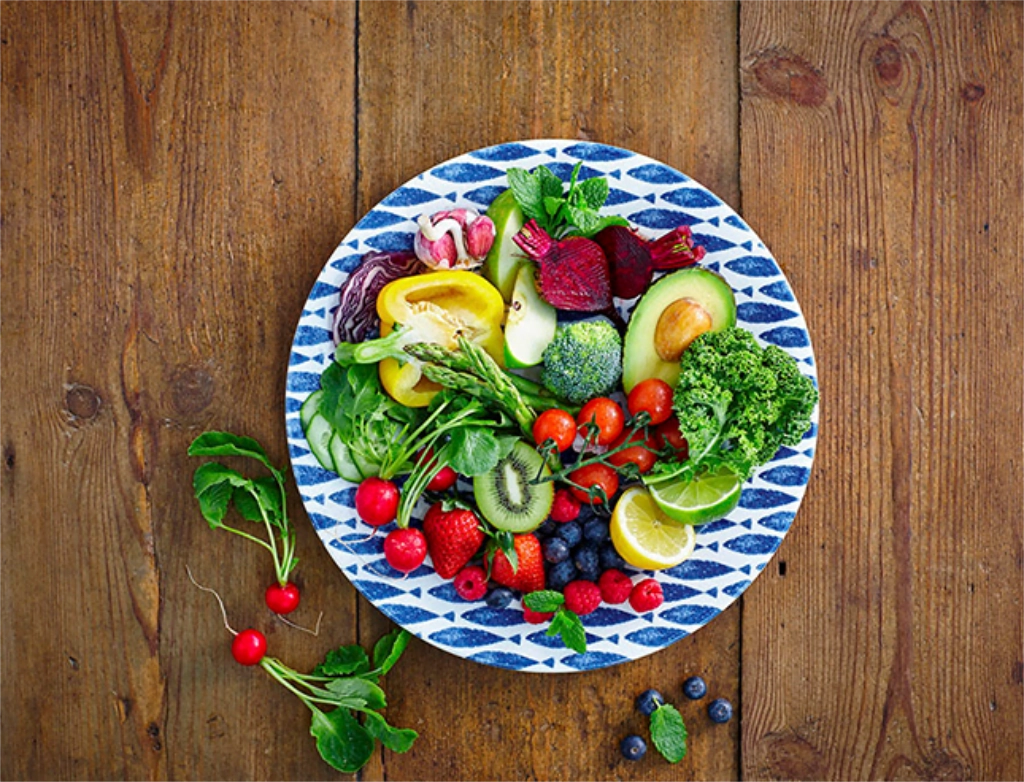
Whole-food nutrition may be the most useful item on this list. A 2024 review in Reproductive BioMedicine Online called a Mediterranean dietary pattern the strongest single recommendation, with selected supplements offering plausible benefits for specific subgroups. That means plenty of vegetables, fruit, whole grains, legumes, fish, nuts and olive oil, which also supply omega-3s, folate and antioxidants. FertilitySmart
The Honest Big Picture
The evidence on antioxidants as a group is limited. Cochrane's review pooled 63 trials and found antioxidants might raise live birth rates (OR 1.81), but the evidence was very low quality, so the authors could not be certain. Antioxidants did not appear to increase miscarriages, multiple births or ectopic pregnancies, although adverse effects were poorly reported. ESHRE's 2023 add-ons guidance does not recommend oral antioxidants routinely in assisted reproduction. Vitamins and minerals for subfertility in women | Cochrane +2
Supplements are most likely to help women over 35, women with diminished ovarian reserve or PCOS, and women preparing for IVF. Nothing on this list can reverse age-related decline, and eggs take roughly three months to mature, so any approach needs time.
Where Erina Ovapro Fits
Erina Ovapro is a women's fertility sachet built around myo-inositol, and it also lists CoQ10, berberine, omega-3, folic acid and vitamin B6. It is designed to support ovulation, hormonal balance and egg quality, especially for women with PCOS.
How to take it:
- Month 1: 2 sachets daily (one with breakfast, one with dinner)
- Months 2 and 3: 1 sachet daily with breakfast
- Dissolve the sachet in half a glass of cold water.
The three-month course matches the roughly 90 days an egg takes to develop, which is why a shorter trial may not tell you much. Ovapro is also used by women preparing for IVF, but it works best alongside a healthy diet, good sleep and guidance from your doctor.
Lifestyle Habits That Support Egg Quality
- Don't smoke and limit alcohol.
- Prioritize sleep, since melatonin is produced during deep sleep.
- Manage stress and keep a healthy body weight.
- Take folic acid as your doctor recommends when planning a pregnancy.
Takeaway
Natural support for egg quality is plausible but not guaranteed. CoQ10 and myo-inositol have the most relevant research, other nutrients may help specific groups, and a nutrient-rich diet is the best foundation. Talk to a fertility specialist before starting any supplement, especially if you're in treatment or have a condition like PCOS.
This article is for educational purposes only and does not replace medical advice. These statements have not been evaluated by the FDA. Supplements are not intended to diagnose, treat, cure or prevent any disease.